
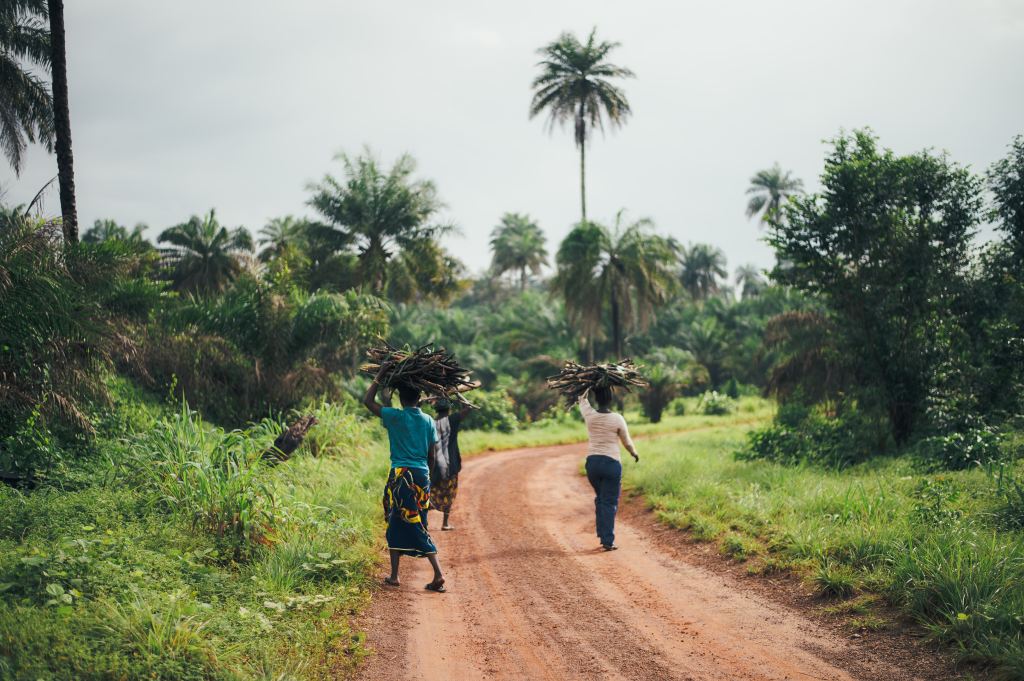
Those Closest to the River
Introduction:
There are many people living on the shores of lakes, rivers, and oceans who cannot swim. They are the sons and daughters of teachers who can barely read or write, and the descendants of clergy who have no faith. There are also those with employment contracts and work desks that do not work at all. When something is easily accessible or abundant, it is often taken for granted. Africa has an abundance of underground water, arable land, beautiful forests, precious wood, amazing rivers, lakes, and oceans, and let’s not forget clean air!
The Sun, Water, and Excessive Complacency
Despite having plenty of sunshine in Africa, our public sectors, lending institutions, and entrepreneurs have not invested much in solar energy and related product developments. We import solar panels from Italy, Sweden, China, and Canada. Why don’t we invest in our own continent?
Apart from baptisms and various spiritual or cultural rituals, subsistence fisherfolk, and locals washing their clothes, we have not made conscious efforts to develop sustainable local economies around our water bodies. We have also failed to accurately map the extent and limits of our transboundary water bodies and underground water supply. Our spirituality and cultural reawakening must also have economic prudence, otherwise we will impoverish ourselves with emotional spiritualism and unproductive culturalism. Spirituality and culture should always promote and nurture sustainable life and growth!
Those who live closest to Africa’s water wealth, such as rivers, oceans, lakes, streams, springs, etc., take water for granted. They do not build wells or drill boreholes, and they do not develop creative economies around rivers. Sadly, when severe droughts occur, these individuals are the most vulnerable and unprepared. It is their excessive complacency, lack of foresight, and lack of creativity that leads to their poverty and vulnerability. They are poor not because of scarcity, but because of complacency. They need to form cooperatives to manage water resources and build economies around them. Yes, historical and ongoing power imbalances contribute to their situation, but they must also take ownership of their lack of national wisdom, long-term thinking, and sustainability consciousness.
Infantile Preoccupations
Unpreparedness, wastefulness, and complacency are only a part of the African development challenge and mindset. The other part can be attributed to “infantile preoccupations.” Leaders in all sectors are often obsessed with immature consumption desires, similar to little children. Rather than investing in solar plants and water security infrastructure, leaders focus on building new multi-million dollar parliament buildings and stadiums. When knowledgeable individuals propose solutions for electricity, energy, health, education, and sanitation crises, petty government officials often demand hefty bribes to facilitate national solutions. Entire governing party officials establish systems to embezzle development funds for personal gain or election campaigns. This is childish stupidity! Infantile consumerism has become prevalent in African business, politics, religion, and civil society. If you, as a wealthy individual, want to help, why not invest in infrastructure, production sites, or places that enable people to create value, add value, or produce useful goods for their daily lives and for export?
 briantamukakagoro.com